How to Stay Ahead in Middle East Logistics with Smarter Warehousing.
As the logistics landscape rapidly evolves across the Middle East, warehousing is no longer just about storage — it's about strategy. From the UAE to Saudi Arabia, businesses are rethinking how their facilities can support agility, sustainability, and long-term growth. Whether you're in logistics, manufacturing, or retail, upgrading your warehouse isn’t just an option — it’s a competitive advantage.
Here are five essential strategies to keep your warehouse ahead of the curve in the GCC:
1. Design for Scalability, Not Just Capacity
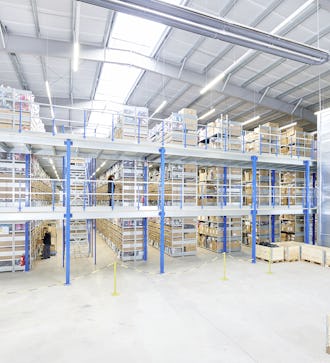
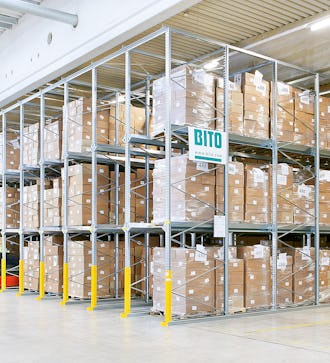
In a region marked by fast-paced development and shifting consumer demands, your warehouse must grow with your business. Scalable solutions such as adjustable pallet racking, multi-tier shelving, and modular mezzanines enable you to expand without needing a full redesign.
🟢 Logistics Insight: Flexibility is crucial for 3PL providers serving diverse client portfolios. Scalable racking supports both B2B and e-commerce demands.
2. Make Sustainability a Core Business Priority
Governments across the GCC are encouraging sustainable practices through industrial policies and incentives. Warehouses that integrate recycled containers, energy-efficient lighting, and smart inventory planning not only reduce costs but also align with national ESG goals.
🟢 BITO Example: Our RK containers, made from 100% recycled plastic, are durable, space-saving, and help businesses lower their carbon footprint.
3. Integrate Smart Technologies
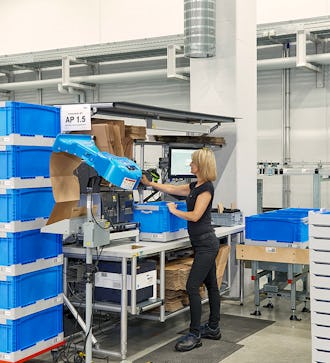
Automation, data tracking, and real-time visibility are no longer optional in modern logistics. Invest in WMS-ready layouts, IoT devices, and barcode-optimized workflows to enhance efficiency and reduce manual errors.
🟢 Tech Tip: Choose racking systems that accommodate future automation paths — like shuttle systems or robotic picking arms.
4. Adapt to Local Climate and Operational Conditions
From the heat of Dubai to the coastal humidity of Jeddah, warehouses in the Middle East face environmental extremes. Choose hot-dip galvanized racking for high-moisture environments or ventilated bins to avoid spoilage and corrosion.
🟢 GCC Reality: Materials that withstand sand, heat, and moisture will save on long-term maintenance and replacements.
5. Standardize for Regional Expansion
Many companies across the region are expanding into free zones or neighbouring countries. Using standardized racking and bin sizes ensures easier transfer of goods, smoother customs processing, and cost-effective replication of your operations.
🟢 Growth Insight: For growing firms in the UAE, Saudi, and Oman, a harmonized warehouse model speeds up regional rollouts and improves service levels.
Final Thought
Middle East logistics is undergoing a major transformation — and smart warehousing is at the heart of it. By building adaptable, tech-ready, and sustainable warehouse operations, your business can stay ahead in a region racing toward the future.