
What can assembly process be optimised?
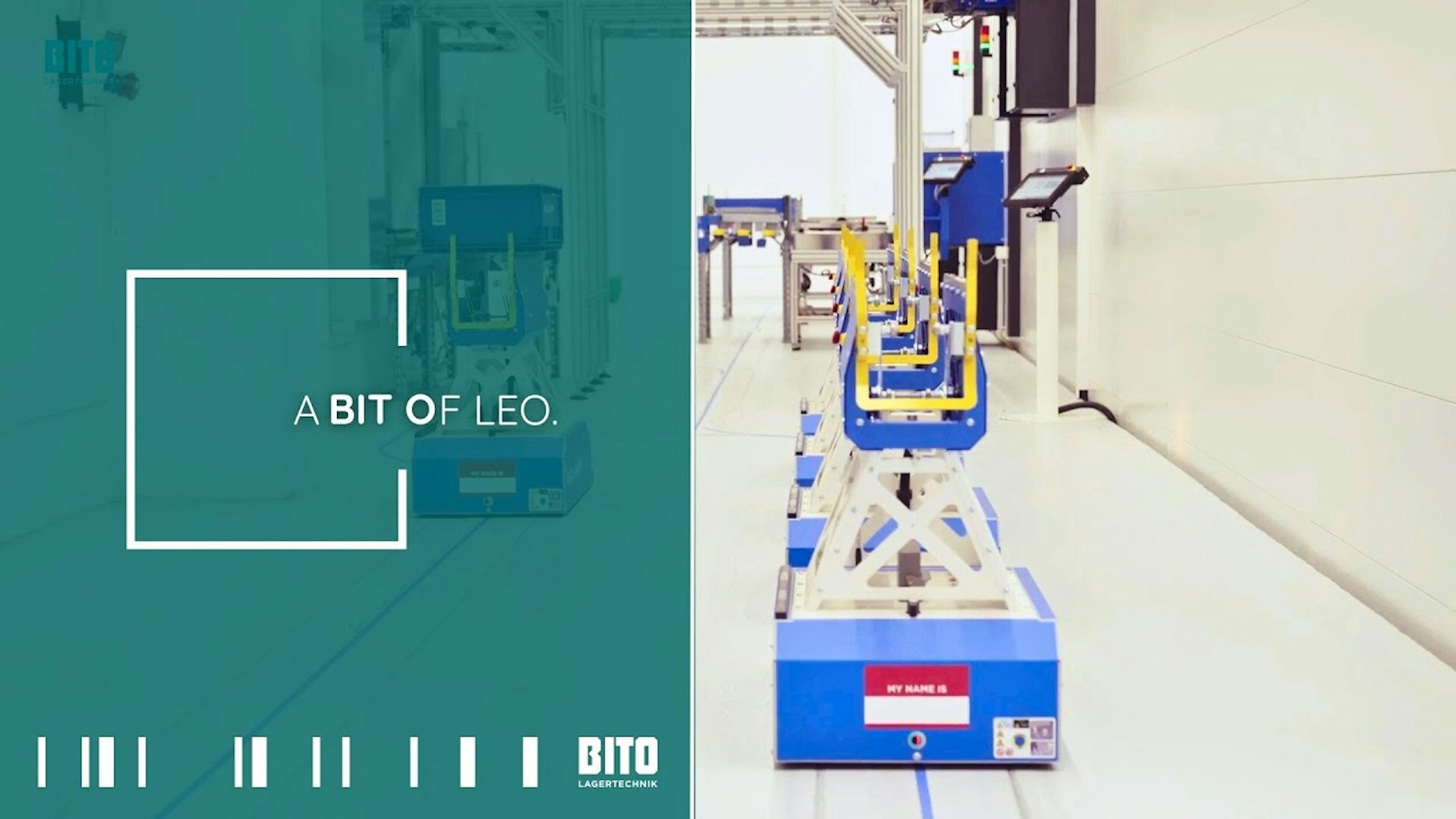
Optimising automated assembly processes means digitising and automating material supply throughout the entire production and assembly chain. The system combines intelligent containers with smart labels, driverless transport systems and digital control software to create an integrated solution.
Production line efficiency can be enhanced with a variety of measures such as
- Hands-free material ordering directly at the workplace
- Status display directly on the container (event labelling)
- Automated supply to all assembly stations by AGVs
- Real-time tracking of inventoried items and their transport status
- Integration into production control systems PPS and MES
Product features and benefits in brief
Achieve maximum efficiency and transparency in your production line supply
0% paperwork
With digital order displays right on the bins, there is no need for paperwork. Status changes are done automatically, no manual scanning needed.
75% reduction in throughput times
Automated material supply and optimised travel routes drastically reduce waiting times. Employees can concentrate on value-adding activities.
Zero-touch material ordering
A single press on a button is all it takes to trigger complex supply processes. No manual booking or system intervention required.
50% cut in picking errors
Digital process management prevents mix-ups and incorrect deliveries. Automated validation of all material transactions.
Real-time transparency
Complete overview of all material flows and inventories. Proactive control through continuous monitoring.
FIFO storage
System-controlled container rotation guarantees the first-in, first-out principle. No manual checks or re-sorting necessary.
How does automated assembly supply work?
The system is based on intelligently connecting smart labels on bins and containers with driverless transport systems and a central control software. Employees request the materials they need by pressing a button on the smart label, which automatically generates a delivery order. The LEO AGV retrieves the requested bins and containers from the automated small parts warehouse and transports them to the right assembly station.
Smart labels continuously display the current order status and container contents. Once items have been removed, the empty containers are automatically returned without manual intervention. The software controls all processes, monitors stocks and triggers automatic reorders when minimum stock levels are reached.
Connected intralogistics automation can be achieved with smart labels and AGV
- Smart labels act as digital information carriers and interface for placing orders
- LEO driverless transport vehicles support internal logistics
- Automated small parts warehouses serve as central supply hubs
- Intelligent control software with WMS and ERP integration coordinates processes
- Real-time monitoring provides an instant overview of all material flows and inventories
Where is automated assembly supply required?
Automated supply optimises processes in manufacturing environments and supply chain logistics across all industries
Automotive industry
Just-in-sequence delivery to assembly lines, no need for buffer stocks. Automated C-parts supply reduces space requirements and capital commitment.
Mechanical engineering
On-demand material supply for complex assembly workstations. Transparent tracking of assemblies and components.
Electronics manufacturing
Monitored supply of sensitive components and tools. Automated documentation to ensure quality and compliance.
Logistics centres
Streamlined picking processes by having materials on hand. Less time spent on searching for products and walking or driving to the right storage position.
Your added value
Automated assembly supply fundamentally transforms your production processes and creates significant competitive advantages. Employees are no longer burdened with routine tasks and can concentrate on skilled assembly work. End-to-end digitisation eliminates data discontinuities and creates complete transparency across all material flows. At the same time, it reduces error sources, minimises waste and significantly increases overall equipment effectiveness.
- Maximum productivity thanks to optimum material supply quantities
- Digital process management reduces error costs
- Improving ergonomics enhances job satisfaction
- Scalable solution for growing production requirements
Get expert advice on automated assembly supply
Contact form