
What is permanent temperature monitoring?
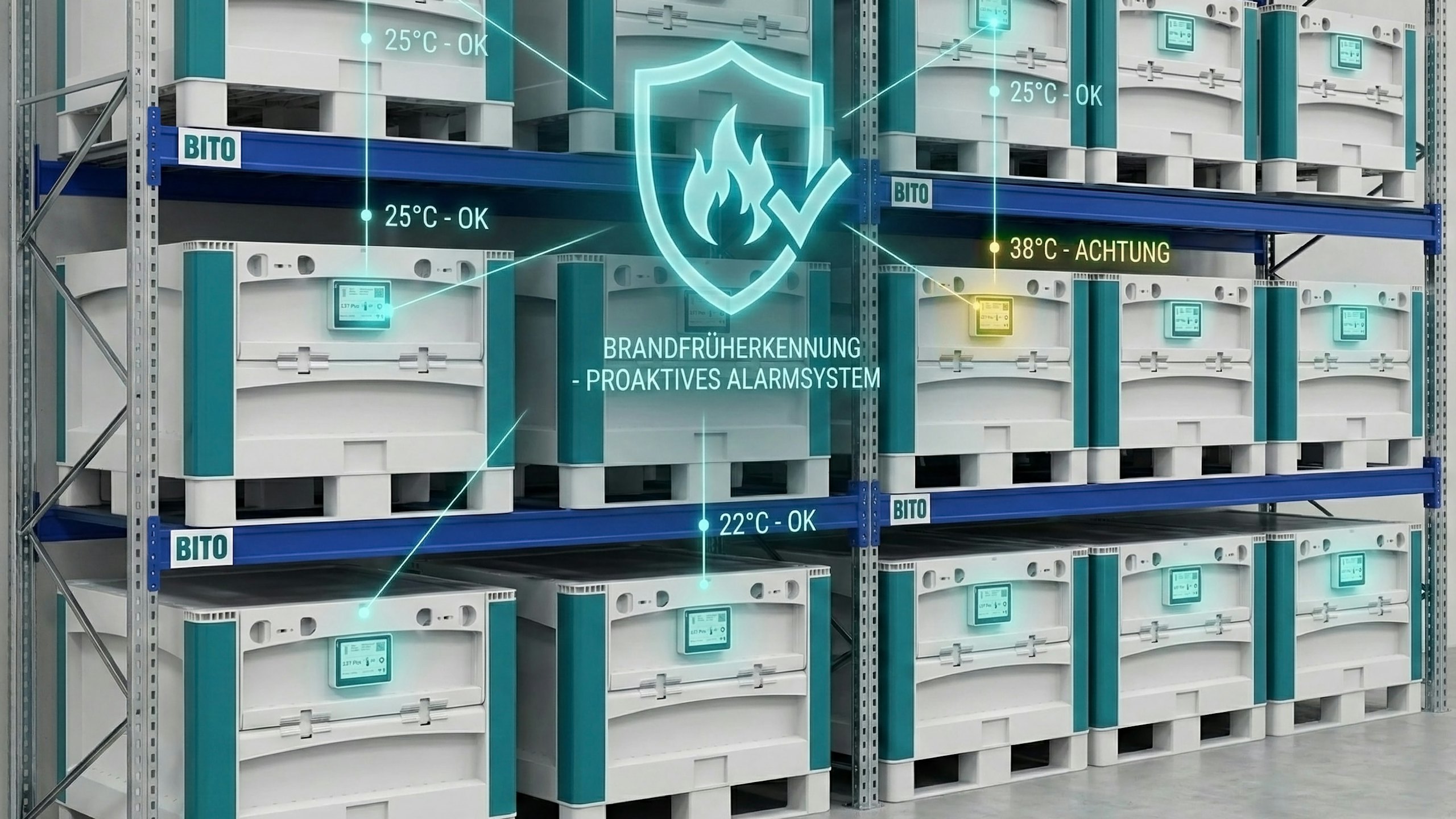
Permament temperature monitoring means the continuous, sensor-based recording and documentation of temperature and other environmental parameters during transport and storage. The solution combines intelligent sensor technology with cloud-based data analysis and proactive alert systems.
Safety for temperature-critical processes
- Continuous monitoring without disruptions
- Temperature alerts via email, text message or fire alarm)
- Automatic alerts in the case of critical deviations
- Complete documentation for audits and compliance regulations
- Integration of early fire detection and condition monitoring
Product features and benefits in brief
Maximum security and compliance for sensitive goods
24/7 monitoring
Uninterrupted monitoring of all critical parameters around the clock. No more manual inspections required.
99.9% detection rate
High-precision sensors reliably detect even the smallest temperature deviations. False alerts are minimised by intelligent algorithms.
Response time under 60 seconds
Immediate alerts for critical events via multiple channels. Rapid intervention prevents total losses.
100% audit compliance
Legally compliant documentation of all measured values and events. Automated report generation for authorities and audits.
No quality loss
Zone-based priorities ensure efficient distribution. Order picking and loading tasks are carried out using the most efficient routes.
ROI in less than 6 months
Avoiding just one damage claim makes the investment worthwhile. Lower insurance premiums as compliance with safety measures is verifiable.
How does permanent temperature monitoring work?
The SLOC system uses high-precision sensors to continuously monitor temperature, humidity, vibrations, and other parameters. The sensors communicate wirelessly with the central monitoring platform and transmit all measured values in real time. If defined limits are exceeded, an immediate alert is sent via email, SMS, or app. In addition, the system sends temperature-based warning messages by email, for example in the event of critical deviations or a fire alarm.
In addition to temperature, the system records lid openings, GPS position, and vibrations for complete transparency. Temperature measurement is also possible during transport without external infrastructure. The integrated early fire detection system offers additional protection when storing hazardous goods such as lithium batteries. All data is stored in an auditing-compliant manner and can be used for analysis and optimisation.
Intelligent temperature monitoring system with real-time alerts
- SLOC Temperature tracker with multiple sensors
- Wireless data transmission via IoT network
- Cloud-based monitoring platform with dashboard
- Intelligent alerting and escalation management
- Integration into existing quality management systems
Where is temperature monitoring required?
Temperature monitoring is critical in various industries
Battery storage
Early fire detection and temperature control for lithium-ion batteries. Heat-related incidents are avoided through preventive monitoring.
Pharmaceutical logistics
GDP-compliant cold chain monitoring keeps medicines and vaccines safe. Complete documentation according to regulatory requirements.
Food logistics
HACCP-compliant temperature control for perishable goods. Proof of uninterrupted cold chain from producer to retailer.
Transport of chemicals
Reliable monitoring of hazardous goods during transport and storage. Immediate alert in the event of critical changes in status.
Your added value
Continuous temperature monitoring reliably protects your high-value goods from temperature-related damage while ensuring compliance with all regulatory requirements. The system significantly reduces manual control tasks and creates complete transparency across the entire supply chain. Preventive alerts allow you to take timely countermeasures and avoid costly total losses.
Continuous documentation simplifies audits and strengthens customer confidence in your quality assurance.
- Maximum protection of sensitive goods against temperature damage.
- Lower monitoring costs thanks to automation
- Complete documentation simplifies compliance
- Increased customer confidence through verifiable quality assurance
Get expert advice on temperature monitoring for sensitive goods
Contact form