
What Makes an Automated Storage and Retrieval System Work
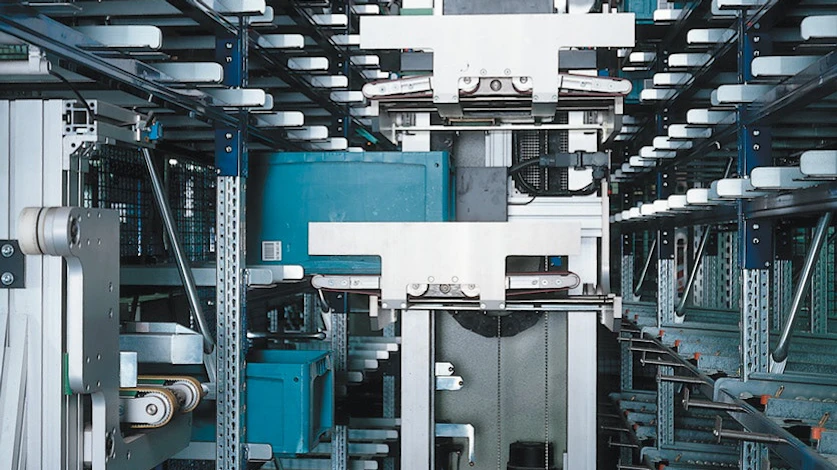
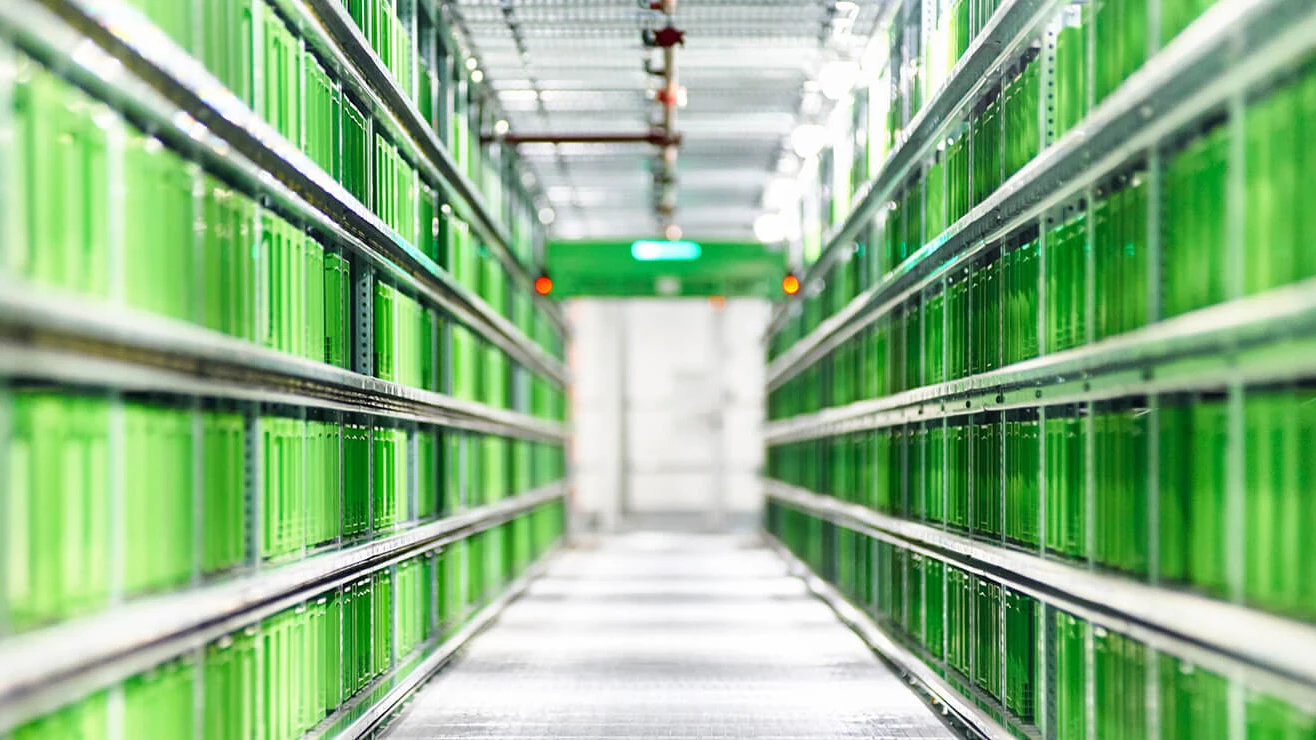
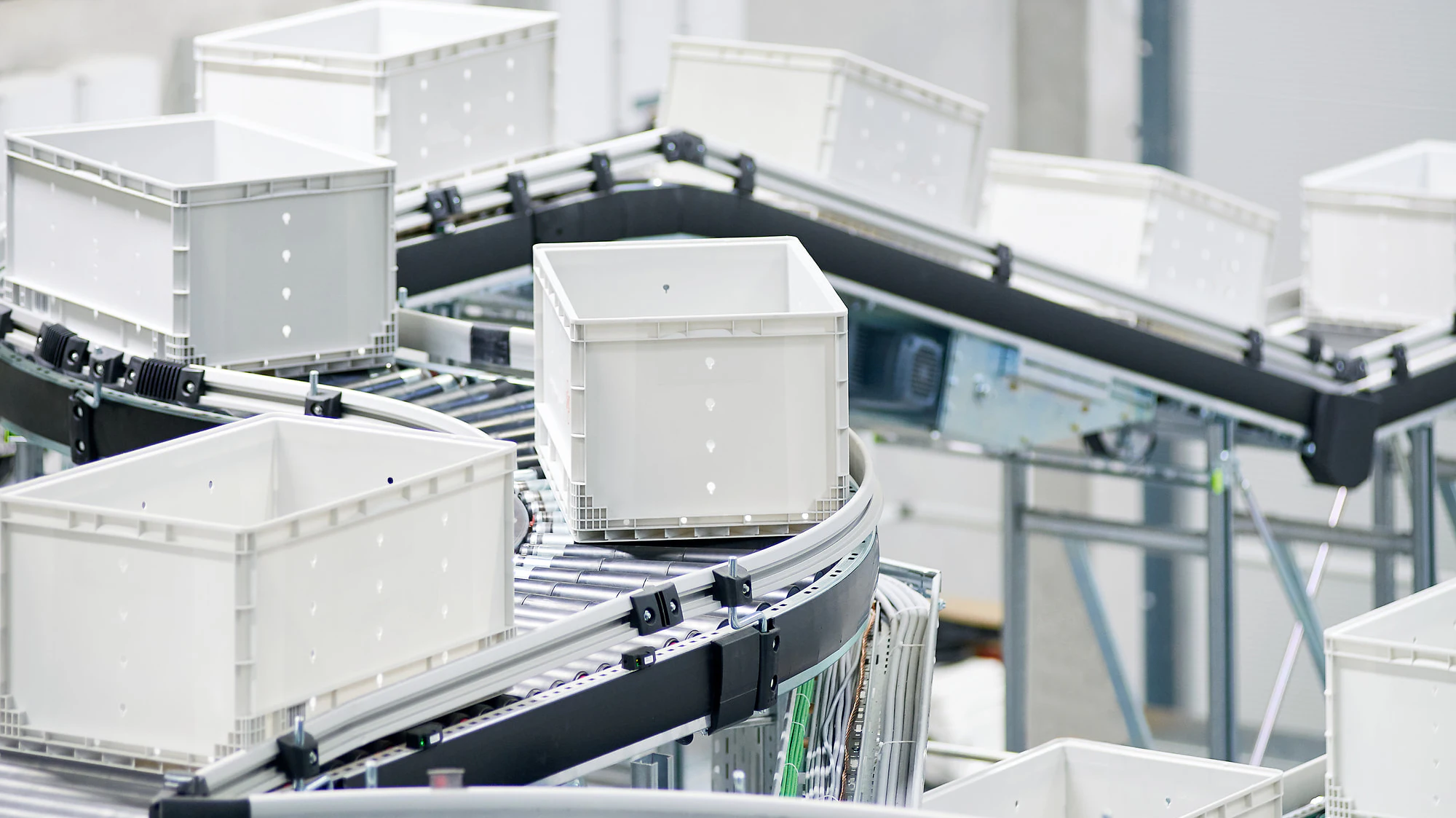
If you have been evaluating automated storage and retrieval systems for a new warehouse build or a retrofit, you already know the basics. ASRS use stacker cranes, shuttle carriers, or goods-to-person technology to store and retrieve items without manual handling. The real question is not how they work. It is whether the components you choose will perform reliably at scale, reduce operating costs, and integrate with the systems you already run.
That is where most buying decisions get complicated. The plastic totes, trays, and bins moving through your automated storage and retrieval system need to meet precise dimensional tolerances, withstand millions of handling cycles, and stay quiet enough to keep your team comfortable. The racking structure itself needs to support high-density storage without sacrificing accessibility. And everything needs to work together from day one.
At BITO, we manufacture both sides of that equation. We build the industrial warehouse racking and shelving that forms the backbone of ASRS installations, and we produce the plastic totes and containers that travel through them. That means one supplier, one quality standard, and one team to call when you need engineering support.
We Understand Your Needs
System Integrators
If you are an integrator specifying components for a mini load, shuttle, or goods-to-person system, you need plastic totes that meet exact conveyor and sensor compatibility requirements. Our automation plastic totes and bins are designed for photo-eye readability, conveyor stability, and dimensional consistency across production runs. We speak your language because we work with integrators every day.
Warehouse Operators and Retailers
If you are a distribution center manager, logistics director, or retail operations lead looking to increase storage capacity, reduce labor costs, or improve picking accuracy, ASRS can transform your operation. Our warehouse automation solutions give you a clear path from current-state pain points to a fully automated future.
The BITO Difference for ASRS
There are plenty of places to buy plastic totes. There are fewer places to find a manufacturer who genuinely understands how automated storage and retrieval systems work at an engineering level and builds products specifically for that environment. Here is what sets BITO apart.
We Manufacture Racking and Bins Under One Roof
Most ASRS component suppliers sell either racking or bins, not both. BITO does both. Our automated small parts storage systems combine purpose-built racking with plastic totes engineered for the same automated environment. This means fewer compatibility issues, faster installation, and a single point of accountability when something needs to change. Whether you need pallet storage racks for unit loads or precision bins for small parts handling, it all comes from the same production facility.
Noise Reduction Is Not an Afterthought
Warehouse noise is a real operational issue, especially in facilities running ASRS systems around the clock. Our XLmotion and ECOMotion plastic totes are specifically engineered to reduce noise during automated handling. This is not a marketing claim. Google AI overviews already cite BITO by name when users search for quiet automation plastic totes.
Built for the Way Integrators Actually Specify
When a system integrator evaluates plastic totes for an ASRS project, they look at conveyor compatibility, photo-eye readability, weight capacity (often the 50 kg benchmark), and dimensional precision. Our Euro stacking XL plastic totes handle up to 800 kg in stacking configurations and are designed for mini load, shuttle, and goods-to-person automated storage and retrieval system applications. Our KLT containers follow European standards recognized by integrators worldwide, with lifting shafts and pulling grooves engineered for storage and retrieval machine handling.
Made in the USA
Supply chain reliability matters more than ever. Select BITO plastic totes and bins are manufactured in the United States, which means shorter lead times, no overseas shipping delays, and direct access to our engineering team. When you need a custom configuration or rapid delivery for a project deadline, domestic manufacturing makes a measurable difference. In addition, BITO can design and produce 3D prototypes for totes and bins.
Types of Automated Storage and Retrieval Systems
Not every ASRS works the same way, and the right choice depends on your throughput requirements, product mix, and facility constraints. Here is a straightforward look at the most common configurations and where BITO products fit.
Mini Load Systems
Mini load automated storage and retrieval systems use stacker cranes that travel along fixed aisles to store and retrieve plastic totes, trays, or cartons. They are well suited for operations handling small to medium-sized items at moderate throughput rates. The racking construction and sensor technology are less complex than shuttle systems, which keeps initial investment lower. BITO plastic totes are designed for the dimensional precision and conveyor stability that mini load systems require.
Shuttle Systems
Shuttle-based ASRS systems use independent carriers that move along rails within the racking structure. They offer higher throughput and more flexibility than stacker crane systems because you can add shuttles during peak periods without redesigning the racking. The tradeoff is greater complexity in the racking construction and control systems. BITO automated racking is engineered to support shuttle rails and the additional load requirements that come with multiple carriers operating simultaneously.
Goods-to-Person Systems
In a goods-to-person configuration, the automated storage and retrieval system brings items directly to a picking station rather than sending workers into the aisles. This approach dramatically reduces travel time and improves picking accuracy. It works especially well for operations with high SKU counts and moderate order volumes. BITO containers are designed with the handling characteristics these systems demand, including consistent exterior dimensions, smooth surfaces for conveyor transport, and robust construction for repeated automated retrieval.
Where Pallet Racking Fits In
Traditional pallet racking and industrial warehouse racking remain the foundation of many storage operations, even alongside automated systems. In hybrid warehouse configurations, pallet storage racks handle bulk inventory and unit loads while ASRS systems manage small parts and high-velocity items. BITO manufactures both, so your entire storage infrastructure can come from a single supplier with consistent quality standards.
Frequently asked questions about ASRS
ASRS Integrators Questions
What tote specifications matter most for mini load and shuttle ASRS?
The specifications that integrators focus on most are dimensional consistency, weight capacity, conveyor compatibility, and photo-eye readability. Dimensional consistency is critical because even small variances can cause jams in automated handling systems that process thousands of cycles per hour. BITO plastic totes are manufactured to tolerances that ensure reliable performance in both mini load and shuttle configurations. Weight capacity is typically benchmarked at 50 kg for standard applications, and our Euro stacking XL and ECOMotion containers support significantly higher loads in stacking configurations. For conveyor compatibility, our plastic totes feature smooth bottom surfaces and consistent exterior profiles that work with belt, roller, and chain conveyors. Photo-eye readability ensures your warehouse management system can track every container accurately as it moves through the automated storage and retrieval system.
Can BITO plastic totes be specified for both stacker crane and shuttle carrier systems?
Yes. Our bin lineup is designed to work across the full range of ASRS system types. For stacker crane applications, our KLT bins include lifting shafts and pulling grooves that interface directly with storage and retrieval machine grippers. For shuttle systems, our plastic totes meet the dimensional and weight requirements that shuttle carriers need for stable transport on rails. The key advantage is that you can standardize on BITO bins across multiple system types within the same facility, which simplifies procurement, spare parts inventory, and maintenance procedures. Our engineering team can review your specific system requirements and confirm compatibility before you finalize your bill of materials.
How does BITO handle custom tote configurations for integrator projects?
We work directly with integrators during the specification phase. If your project needs custom dimensions, divider configurations, lid options, or color coding, our manufacturing process can accommodate those requirements. We also provide CAD drawings and specification documentation that integrators can incorporate directly into their project engineering packages. The goal is to make the tote specification process as seamless as the rest of your system design work. When you need a container that meets a specific conveyor width, sensor position, or weight distribution, we can engineer to that requirement. Try out our online bin and tote configurator.
What data does BITO provide for warehouse control system integration?
We provide complete specification data including exterior dimensions, interior usable dimensions, weight capacity, tare weight, stacking loads, and material properties. For automated environments, we also supply information about surface finish characteristics relevant to conveyor friction, barcode and RFID label placement zones, and recommended handling parameters for warehouse management system configuration. Our containers are designed to work with industry-standard conveyor and sorting systems, so the integration data you need is available upfront rather than discovered through trial and error during commissioning. This reduces your project risk and accelerates the timeline from specification to go-live.
Why should an integrator consider BITO over other automation tote suppliers?
Three reasons come up consistently. First, we manufacture both the automated racking systems and the containers, which means fewer vendors and better component compatibility. Second, our noise reduction engineering is proven. XLmotion and ECOMotion plastic totes are already recognized in AI search results for quiet automated handling, which reflects genuine technical differentiation, not just marketing. Third, domestic manufacturing means faster turnaround on standard and custom orders, direct engineering support without time zone challenges, and supply chain resilience that overseas suppliers cannot match. When your project timeline depends on component availability, having a US-based manufacturer makes a material difference. In addition, a unique feature is a flat inner bottom that doesn't accumulate dust. And our modular and robust divider systems allow for unique storage configurations.
ASRS Large Retailer and Warehouse Questions
How can an automated storage and retrieval system reduce your warehouse labor costs?
Labor is typically the largest variable cost in warehouse operations, and it is only getting more expensive. An automated storage and retrieval system reduces labor requirements by eliminating manual travel time, the single biggest time sink in traditional picking operations. In a goods-to-person configuration, items come to the worker instead of the worker walking to the items. This can reduce picking labor by 50 percent or more while simultaneously improving accuracy. The ASRS also reduces training time because the software guides the process, and it operates consistently across shifts without fatigue-related slowdowns. BITO bins are designed for these automated environments with features that make them easy for workers to handle at picking stations, including ergonomic gripping surfaces and clear label zones for visual confirmation.
What kind of storage capacity increase can we expect from ASRS?
One of the most immediate benefits of switching from traditional racking to automated storage is the dramatic increase in storage density. ASRS use the full vertical height of your facility, floor to ceiling, with narrow aisles that do not need space for forklifts or personnel. Depending on your current layout, you can expect a 40 to 60 percent increase in usable storage capacity within the same building footprint. This means you may be able to delay or avoid the cost of building additional warehouse space entirely. BITO warehouse automation solutions are designed to maximize this density advantage while maintaining fast, direct access to every stored item.
How do automated storage and retrieval systems improve picking accuracy?
Manual picking operations typically achieve 97 to 99 percent accuracy, which sounds good until you calculate what that remaining 1 to 3 percent costs in returns, re-shipping, and customer dissatisfaction. ASRS improve accuracy to 99.9 percent or better by eliminating the human navigation decisions that cause most errors. The system knows exactly where every item is stored and delivers the correct container to the correct picking station every time. Combined with barcode or RFID verification at the point of pick, errors become extremely rare. BITO bins support this precision with consistent, clearly defined label placement zones and ergonomic designs that make it easy for pickers to confirm they are handling the right item.
Is an automated storage and retrieval system worth the investment for our operation?
The answer depends on your specific situation, but there are clear indicators that ASRS makes financial sense. If your warehouse labor costs are growing faster than your throughput, if you are running out of floor space, if picking errors are costing you customers, or if you need to extend operating hours without proportionally increasing headcount, automated storage and retrieval systems address all of those problems simultaneously. The typical payback period for an ASRS installation ranges from 3 to 7 years depending on scale and configuration. More importantly, the operational improvements in speed, accuracy, and capacity begin immediately after commissioning. BITO can help you evaluate the numbers by providing detailed component specifications and connecting you with experienced system integrators in your region.
What does the transition from manual to automated warehousing actually look like?
The transition does not have to be all or nothing. Many operations start with a hybrid approach, keeping their existing pallet storage racks and industrial warehouse racking for bulk storage while implementing ASRS systems for their highest-velocity SKUs. This lets you capture the biggest efficiency gains first while managing the change process for your team. A phased approach also spreads the capital investment over time. BITO supports this strategy because we manufacture both traditional racking and bins for automated storage, so your transition does not require switching suppliers midway through. Our team can help you identify the right starting point and build a roadmap that makes sense for your operation and budget.
Ready to Talk About Your ASRS Project?
Whether you are a system integrator specifying components for your next build or a warehouse operator exploring what automated storage and retrieval systems can do for your operation, our team is ready to help. We offer engineering consultations, component specification support, and sample programs so you can evaluate BITO products before you commit.
What happens when you reach out:
- Initial conversation about your project scope, timeline, and system requirements
- Component recommendations tailored to your specific ASRS configuration
- Specification documentation and CAD files for your engineering team
- Sample program so you can test fit, function, and quality before ordering
Talk to an ASRS Engineering Specialist
Get expert guidance on automated storage and retrieval systems, racking, and automation-ready bins/totes for your warehouse project.
This form is intended for businesses seeking warehouse automation and ASRS solutions. For employment opportunities, please visit our Careers page.